This shows a powerful truth about medicine: A molecule can have a story far bigger than its first purpose

After maturation, MSTN is expressed in various tissues,[12,20,21] with the highest levels in skeletal muscle and lower levels in visceral and subcutaneous fat,[21] as well as cardiac muscle.[20] MSTN has also been reported to negatively regulate adipocyte differentiation and lipid accumulation by suppressing the expression of key transcription factors such as peroxisome proliferator-activated receptor (PPAR-) and CCAAT/enhancer binding protein-.[22] However, Mstn / mice exhibit significantly reduced fat accumulation under normal aging conditions despite a lower metabolic rate, [23] whereas a genetically obese mouse model shows elevated MSTN mRNA levels compared to wild-type mice, suggesting a positive correlation between MSTN expression and fat mass.[21] These findings have paved the way for MSTN to become a therapeutic target not only for muscle atrophy, but also for diabetes and obesity

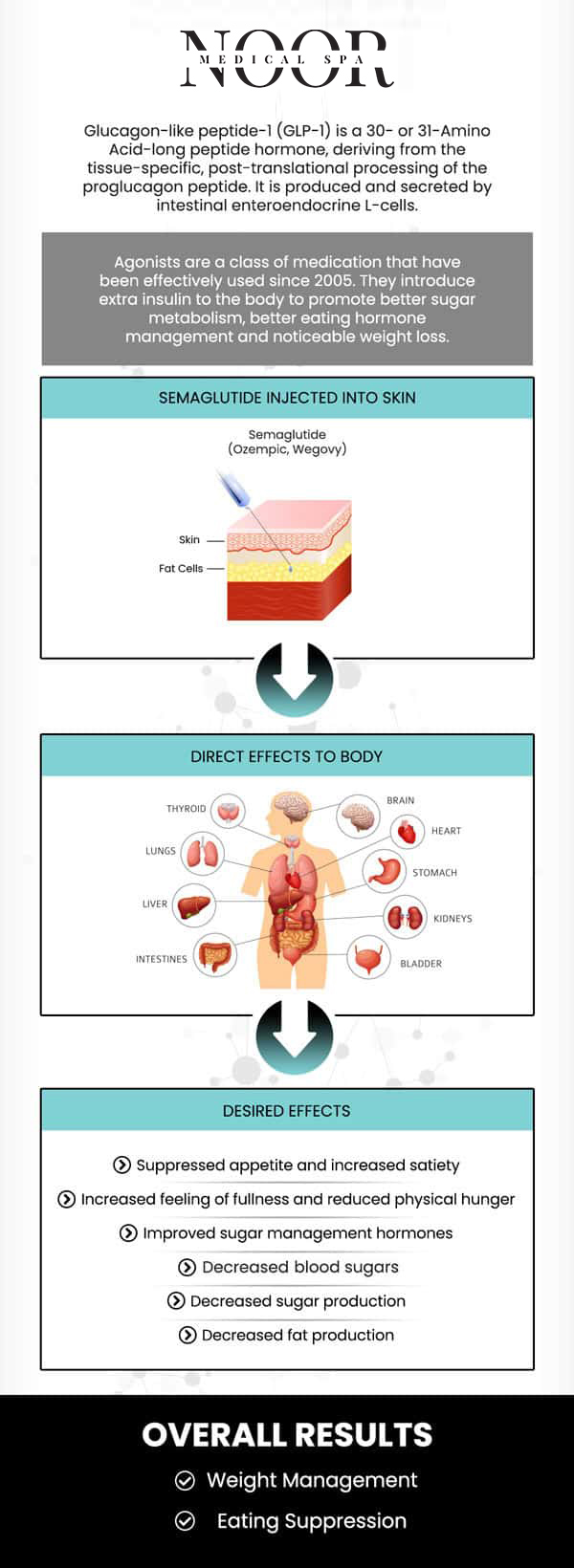
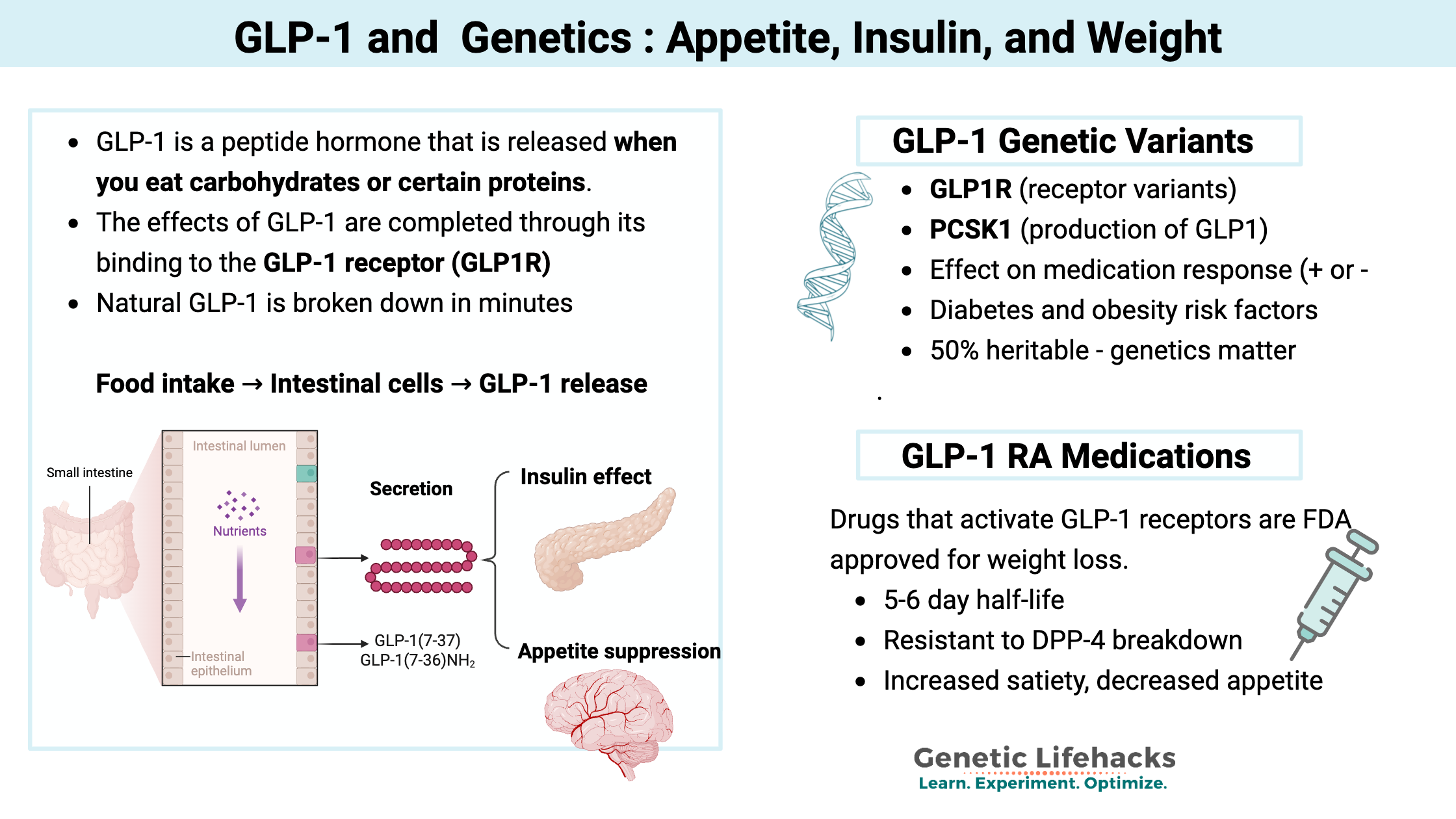
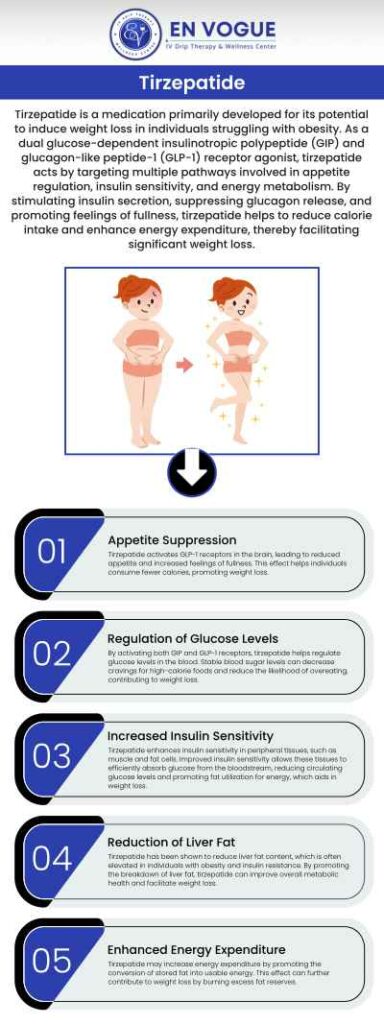
Due to the glucoregulatory and anorectic activities of GIP and GLP-1, the incretin-based therapies, GLP-1 agonists or GIP and GLP-1 co-agonists, have been successfully developed for treatment of type 2 diabetes and obesity [10]
Quantification of mtDNA content in cultured cells by direct droplet digital PCR