If the smugglers were caught, the punishment was not steep: usually confiscation of the cigarettes and possibly the vehicle, too, with a fine or probation.[163] The inventory of seized cigarettes that New Jersey's police accumulated had been given to prisons, welfare agencies and other state institutions throughout the 1950s, but by the mid-1960s, the volume of arrests and confiscations was now so great that New Jersey's state institutions could no longer smoke them all.[164] North Carolina was still selling unstamped, untaxed cigarettes in the 1960s, and when agents from Connecticut or New Jersey attempted surveillance of smugglers there, hoping to record license plate numbers as vehicles headed north from cigarette wholesalers, they ran into trouble
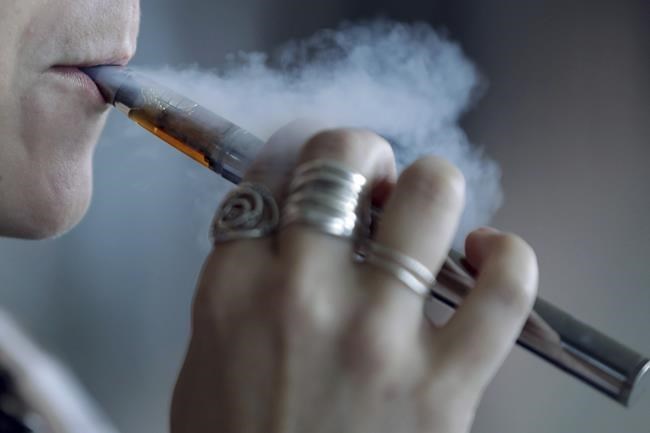
However, in the studied mint and menthol e-cigarette liquids, the estimated pulegone exposure is significantly higher than exposure from cigarettes, according to the studys authors
More than 20 are classified as carcinogenic, and over 60 are recognized as mutagenic [1, 2]
Also, some health professional societies recommended that the toxicity of newly introduced tobacco products like IQOS should not be compared to combustible cigarettes but to no tobacco product use situations, i.e






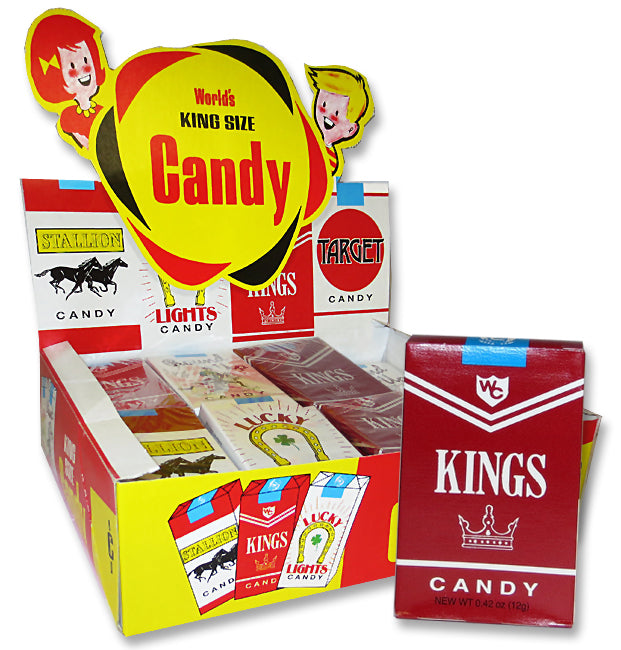
![Candy-Flavored Cigarettes Are Officially Banned, Drug-Themed Candy Remains Legal [Updated]](https://i.pinimg.com/736x/65/02/3a/65023aae31910b048d9c8b47e5d23a1c.jpg)