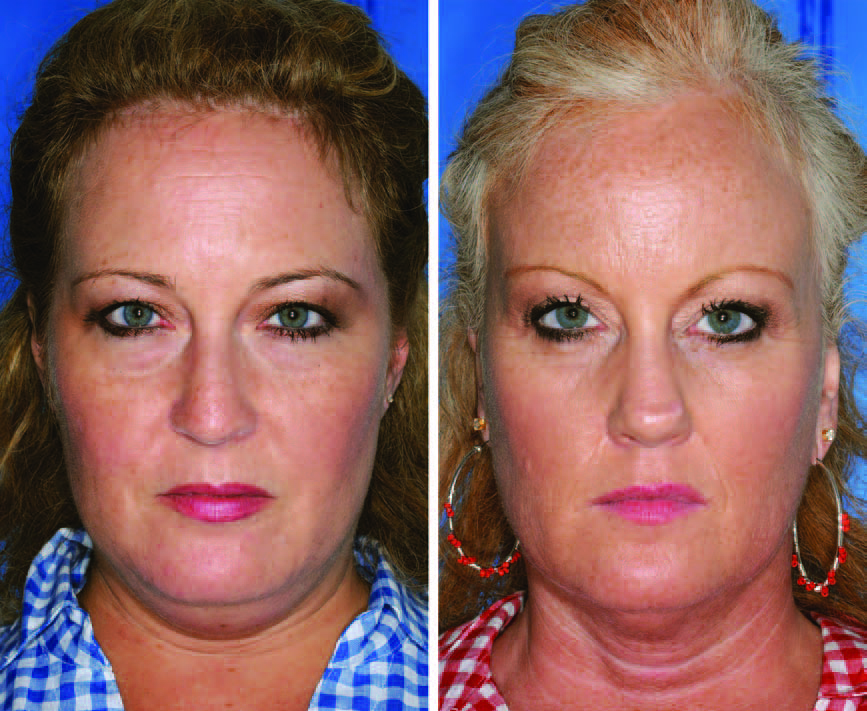
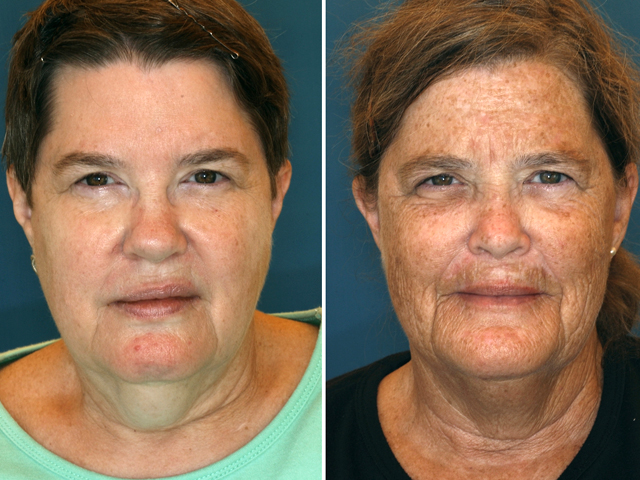
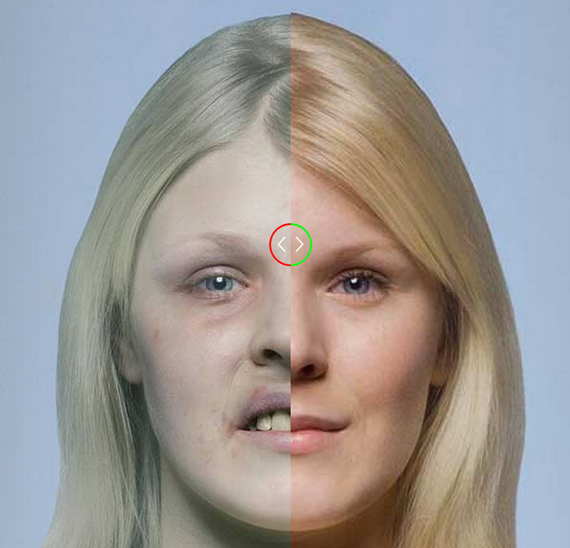
Alcohol and smoking are both class 1 carcinogens and independent risk factors for oral and laryngeal cancer.2 The interaction may occur in oral and laryngeal cancer as follows: alcohol is believed to increase the solubility of tobacco carcinogens and, in turn, promote their penetration into the oral mucosa, potentially exacerbating the impact of smoking.53 In vitro experiments have demonstrated that ethanol can boost the penetration of nitrosonornicotine, a carcinogen associated with tobacco, through porcine oral mucosa.54 Regarding the guidance on alcohol use, the Australian Cancer Society Alcohol Working Group reported that alcohol consumption and smoking had a synergistic effect on some cancer risks, considering scientific evidence.55 Since then, guidelines for cancer prevention have been introduced in Europe and the United States, considering the risk of concurrent alcohol consumption and smoking.56, 57 Our findings support these guidelines
Entertainment Weekly writer Jennifer Armstrong cited the character as an example of the old tradition of having only "bad guys" smoking on television
When Should You Quit Alcohol if You're TTC
This involves using a polyurethane or latex condom or other barriers that entirely prevent direct contact during anal, oral, and vaginal sex