Retailers would be prohibited from selling products that contain flavor additives creating a characterizing flavor other than tobacco. Explicitly banned flavors include menthol, mint, wintergreen, clove, fruit, chocolate, vanilla, honey, candy or dessert flavors, alcoholic beverage flavors, and herbs or spices
national surveys
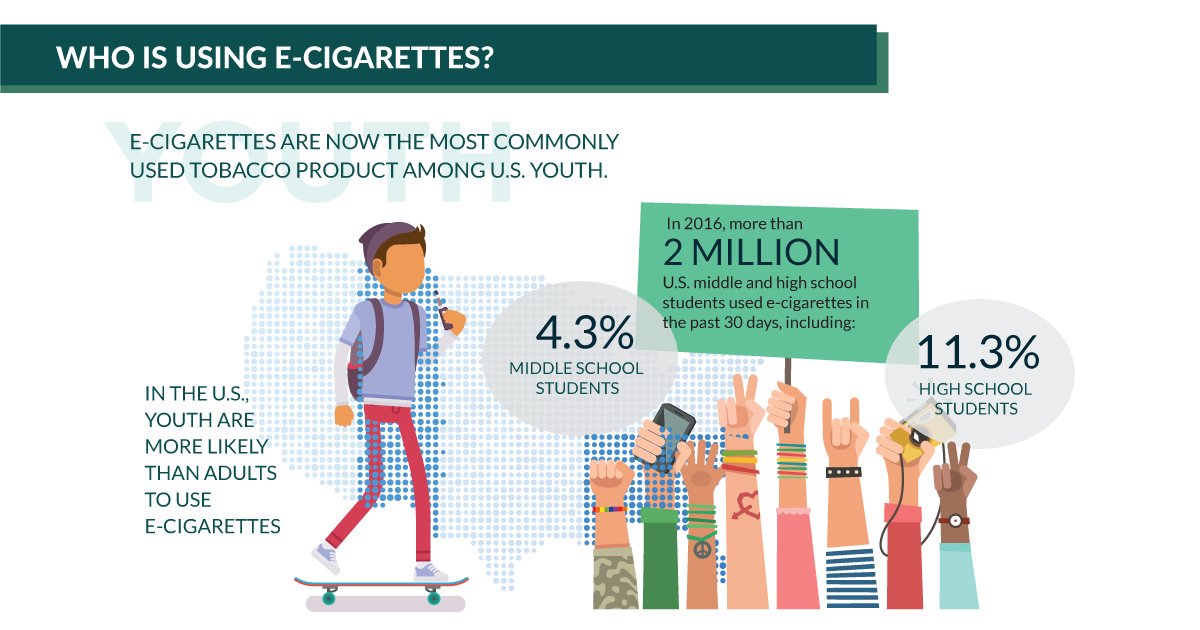
Fast-forward to this week, when the Biden Administration announced its desire to ban menthol cigarettes in the United States, with the intention to help significantly reduce youth initiation, increase the chances of smoking cessation among current smokers, and address health disparities experienced by communities of color, low-income populations, and LGBTQ+ individuals, all of whom are far more likely to use these tobacco products. The proposal is not new, and in fact has been kicked around Washington DC for years, provoking much harsh reaction from a wide coterie of groups, including the Council on Racial Equality (CORE), the National Black Chamber of Commerce, the American Civil Liberties Union (ACLU) and numerous police organizations all of whom see this move as potentially creating more harm than good within African-American communities

To help fill that gap, Cleveland Clinic researchers performed a retrospective study looking at the effect of donor smoking status, pack-years or substance use on allograft function and survival after lung transplant