A physician investigating unexplained hypercobalaminemia will typically order some combination of the following: Complete blood count (CBC) with differential to check for abnormal red blood cell, white blood cell, or platelet counts Liver function tests (ALT, AST, ALP, bilirubin, albumin) to assess liver health Kidney function tests (creatinine, BUN, estimated GFR) to evaluate renal clearance Peripheral blood smear if a myeloproliferative disorder is suspected Abdominal imaging (ultrasound or CT) if liver or abdominal pathology is a concern Cancer-specific markers or screenings if clinical suspicion warrants them The NIH Office of Dietary Supplements fact sheet notes that observational data from a Danish registry analysis of 757,185 people found the adjusted 1-year cancer risk was 1.74 to 4.72 times higher among those with B12 above 813 pg/mL compared to those in the normal range of 203 to 813 pg/mL
There are no Therapeutic Use Exemptions (TUEs) for BPC-157, and its presence in an athletes system can lead to disqualification
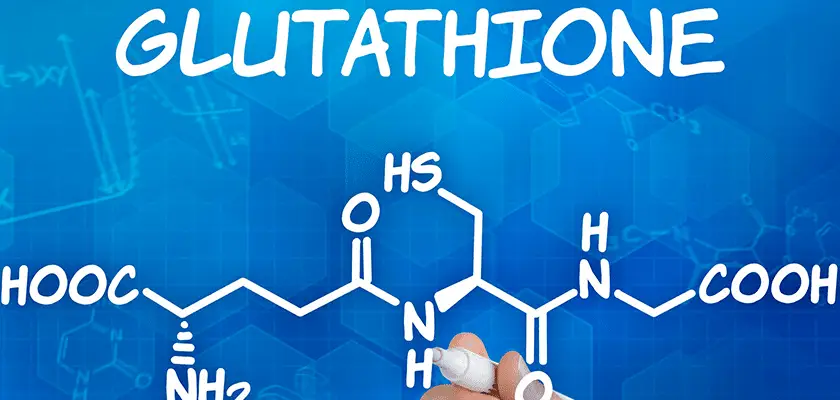
It plays a fundamental role in counterattacking the overproduction of reactive oxygen species (ROS) [1] that often occurs under cell injury conditions and that may lead, when uncontrolled, to the development of several types of diseases, including cancer [2]
The key to a knockout skincare routine is synergy, not conflict