GLP-1 RAs help by: Decreasing pro-inflammatory cytokine levels Reducing the Psoriasis Area Severity Index (PASI) Improving insulin sensitivity and reducing obesity (both of which exacerbate psoriasis) Wound Healing: In diabetic patients and others with chronic wounds, GLP-1 medications improve healing by: Reducing harmful MMP-9 levels and improving MMP-9/TIMP ratios Enhancing angiogenesis (new blood vessel formation) Normalizing C-reactive protein (CRP) levels, a marker of systemic inflammation Multi-System Anti-Inflammatory Effects of GLP-1 Medications GLP-1 agonists exhibit systemic anti-inflammatory effects across multiple organ systems: Cardiovascular: Reduces arterial plaque, improves endothelial function Renal: Protects glomeruli, reduces proteinuria, slows kidney disease progression Pulmonary: Reduces airway inflammation, potential benefits in asthma and COPD Liver (NAFLD/NASH): Lowers hepatic inflammation, improves liver enzymes GI/Metabolic: Reduces markers like IL-6 and CRP
Dehydration and Kidney Damage: Side effects like vomiting and diarrhea from Ozempic can lead to dehydration and kidney damage if not addressed promptly
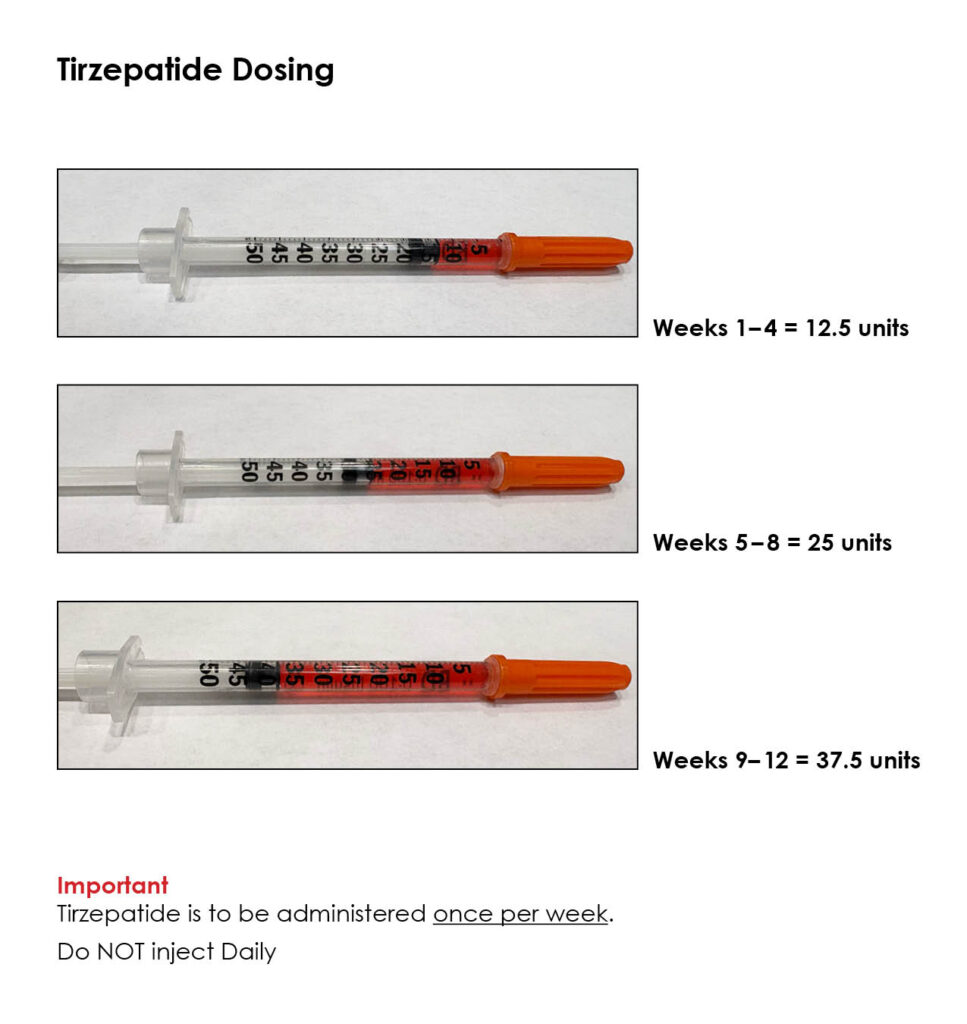
Before starting any formulation, verify storage capacity at home and confirm your pharmacy provides clear handling instructions
The study, International coverage of GLP-1 Receptor Agonists: A Review and Ethical Analysis of Discordant Approaches, was published on August 16, 2024 in the Lancet