Who Should Avoid Copper Peptides Most people can safely use copper peptides, but caution is warranted in certain situations: Wilson's disease or other copper metabolism disorders Known allergy to copper or peptide ingredients Active scalp infections or open wounds Pregnancy and breastfeeding (insufficient safety data) When in doubt, consult a dermatologist or healthcare provider before starting treatment

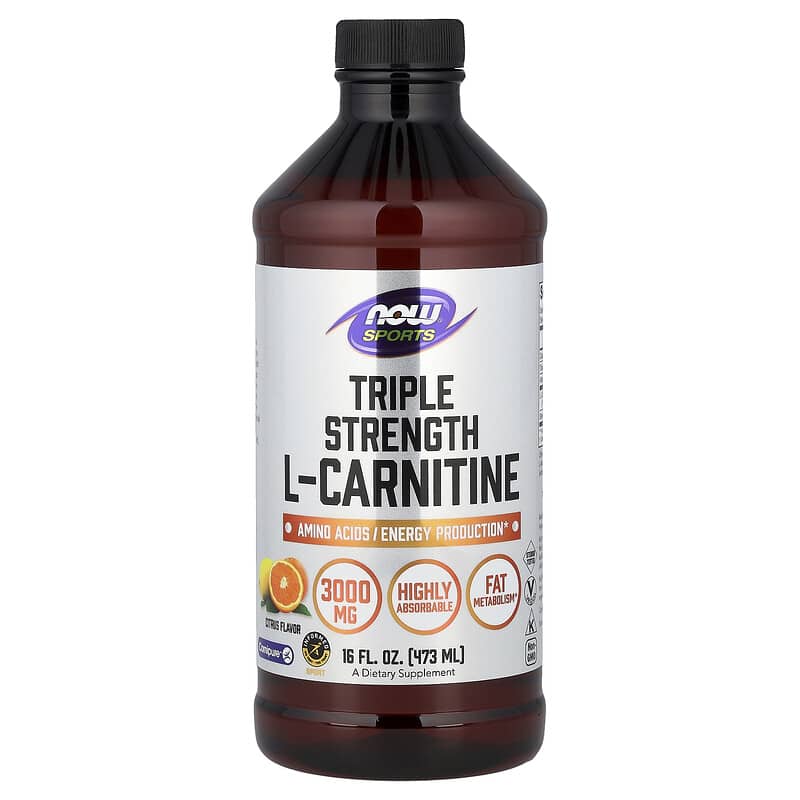
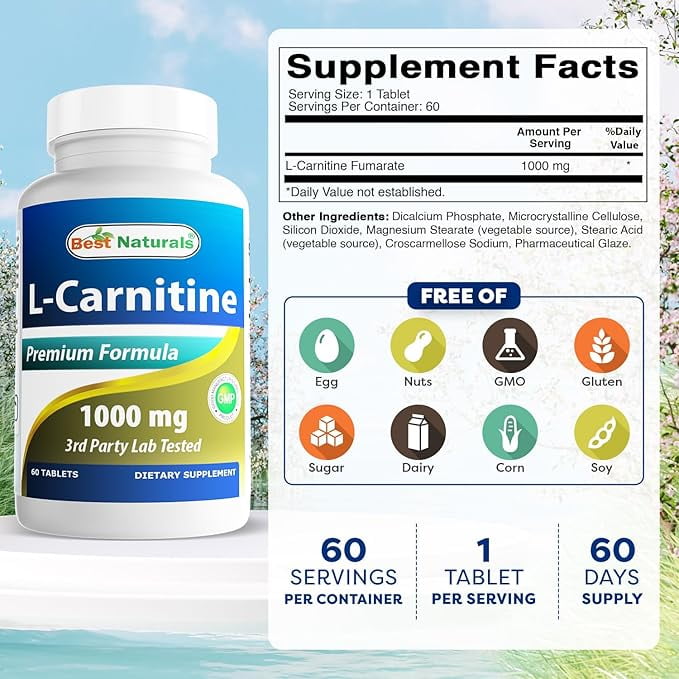
Meta-analysis of randomized controlled trials shows L-carnitine supplementation significantly reduces CRP (weighted mean difference -1.23 mg/L), IL-6 (-0.85 pg/dL), and TNF- (-0.37 pg/dL), with greater effects observed in studies exceeding 12 weeks duration.[4] In obese patients, L-carnitine combined with synbiotics reduced IL-6 by 34%, hs-CRP by 10%, TNF- by 19%, and malondialdehyde by 22%.[5] L-carnitine also improves inflammatory markers in chronic kidney disease, cardiovascular disease, and metabolic conditions.[6] Acetyl-L-carnitine offers distinct advantages for neuroinflammation through multiple mechanisms beyond simple carnitine delivery
Peptides are not steroids , not stimulants, and not one-size-fits-all
The intestinal contents were grouped into 50 mL sterilized centrifuge tubes with glass beads, labeled and weighed, and stored at 20C for use ( 2.2.3 Intestinal mucosa collection After removal of the intestinal contents from the jejunum to the ileum, the intestinal tract was cut longitudinally with sterile ophthalmic scissors, the residual intestinal contents were washed away in normal saline, and the excess water on the intestinal wall tissue was drained with filter paper