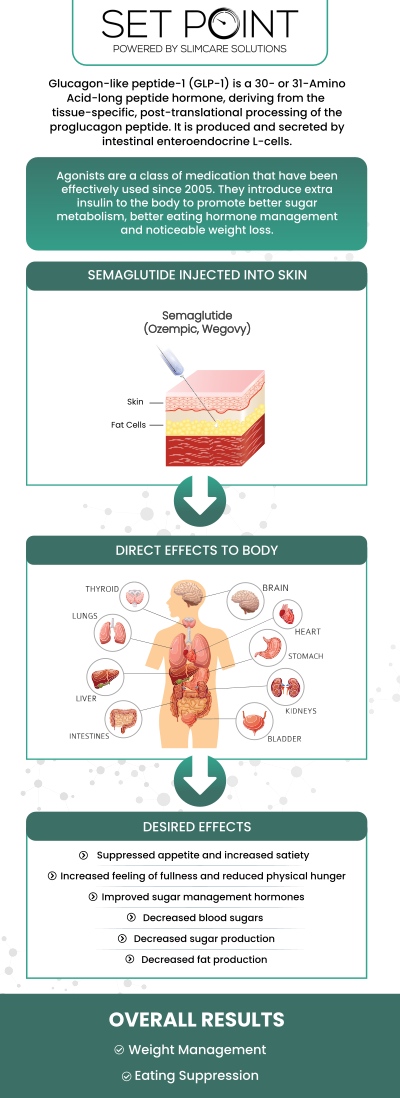
Technical Article
:max_bytes(150000):strip_icc()/Health-GettyImages-2153927815-0bf99cd73e2c46908d7fc0973739f6d0.jpg)
Key Takeaways GHRP-6 and GHRP-2 are synthetic hexapeptides that mimic ghrelin and trigger natural growth hormone release through the GHSR-1a receptor GHRP-6 (development name SKF-110679) is the older compound and produces strong appetite stimulation, useful for bulking but unwelcome for fat loss GHRP-2 (also called Pralmorelin) produces a slightly stronger GH pulse with much less appetite stimulation, making it a cleaner option for body recomposition Both raise cortisol and prolactin moderately, which is the main drawback compared to newer peptides like ipamorelin Standard dosing: 100 to 300 mcg subcutaneously, 1 to 3 times daily, on an empty stomach Both peptides synergize with GHRH analogs (CJC-1295, sermorelin) and are commonly stacked with them Newer alternatives (ipamorelin, MK-677) offer cleaner side effect profiles and have largely replaced GHRP-6/GHRP-2 in modern protocols This GHRP-6 vs GHRP-2 guide covers what each peptide is, how they work, the benefits and side effects you should actually expect, the dosing math, and how the two stack up against each other and against the modern alternatives that came after them
These receptors sit on cells in your stomach, small intestine, and colon, where they regulate how quickly food moves through your system and how your body absorbs nutrients
Purpose-built for physicians GLP-1s may improve erectile dysfunction, testosterone levels for men Key takeaways: GLP-1 receptor agonists may improve low testosterone and erectile dysfunction, but more data are needed






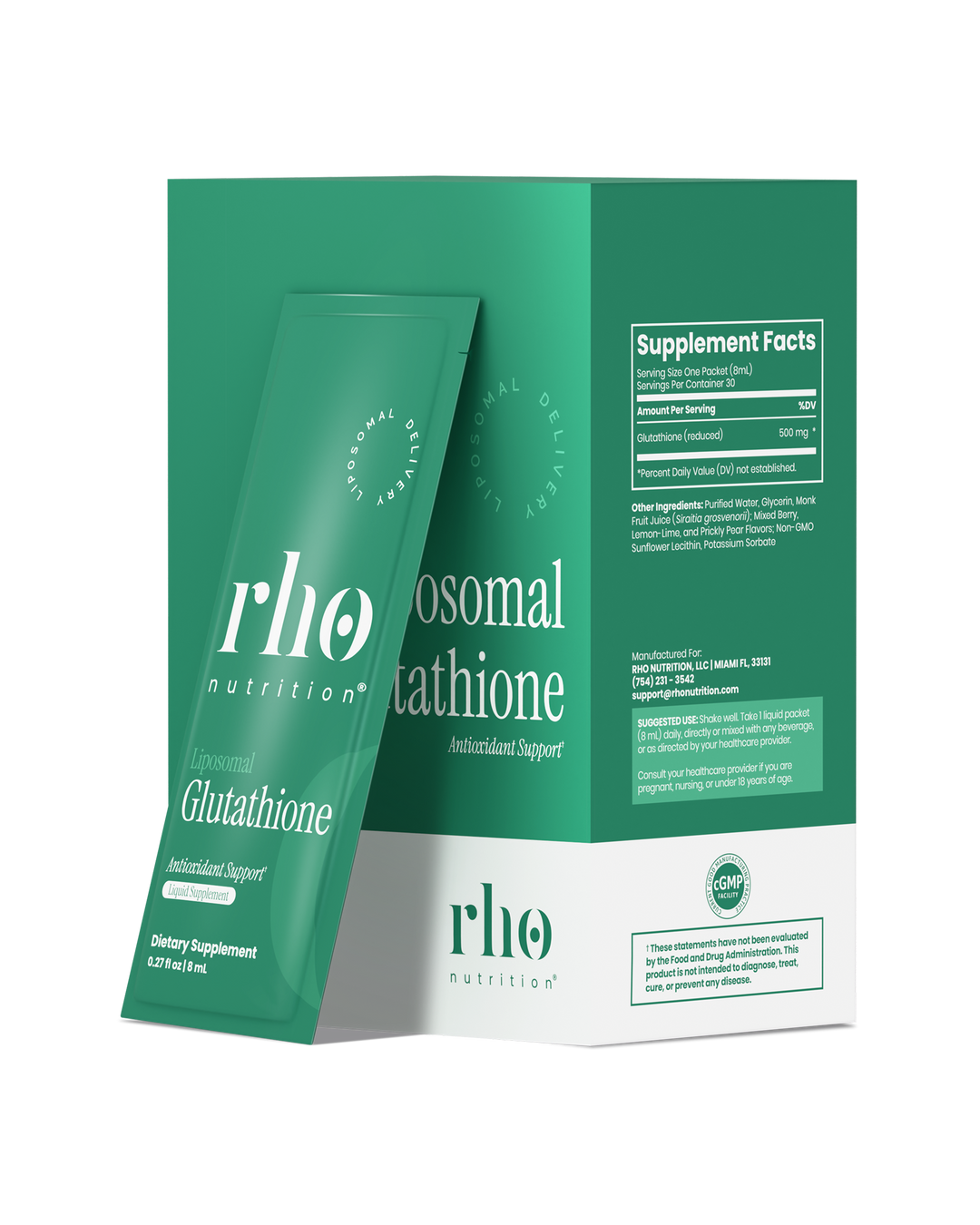

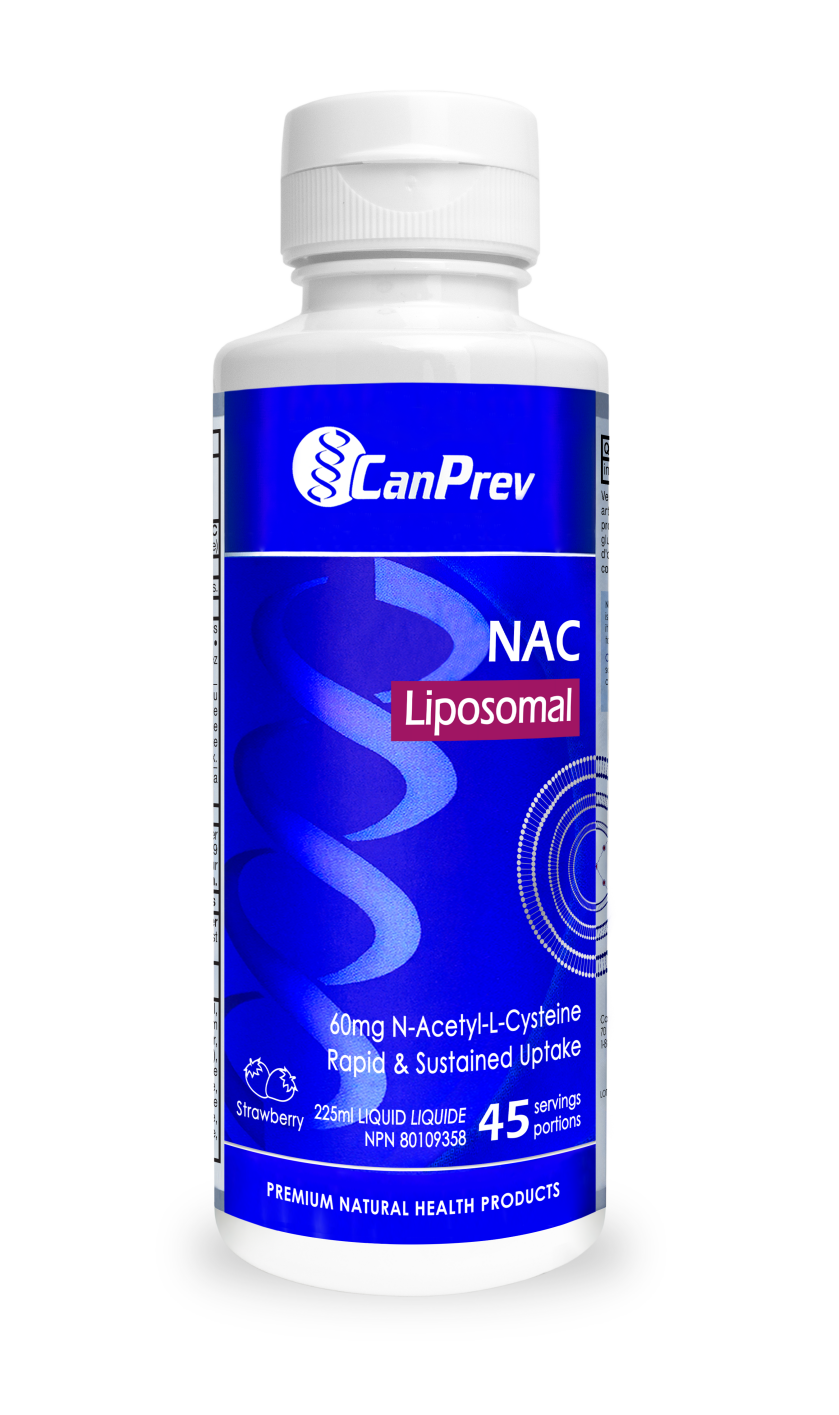
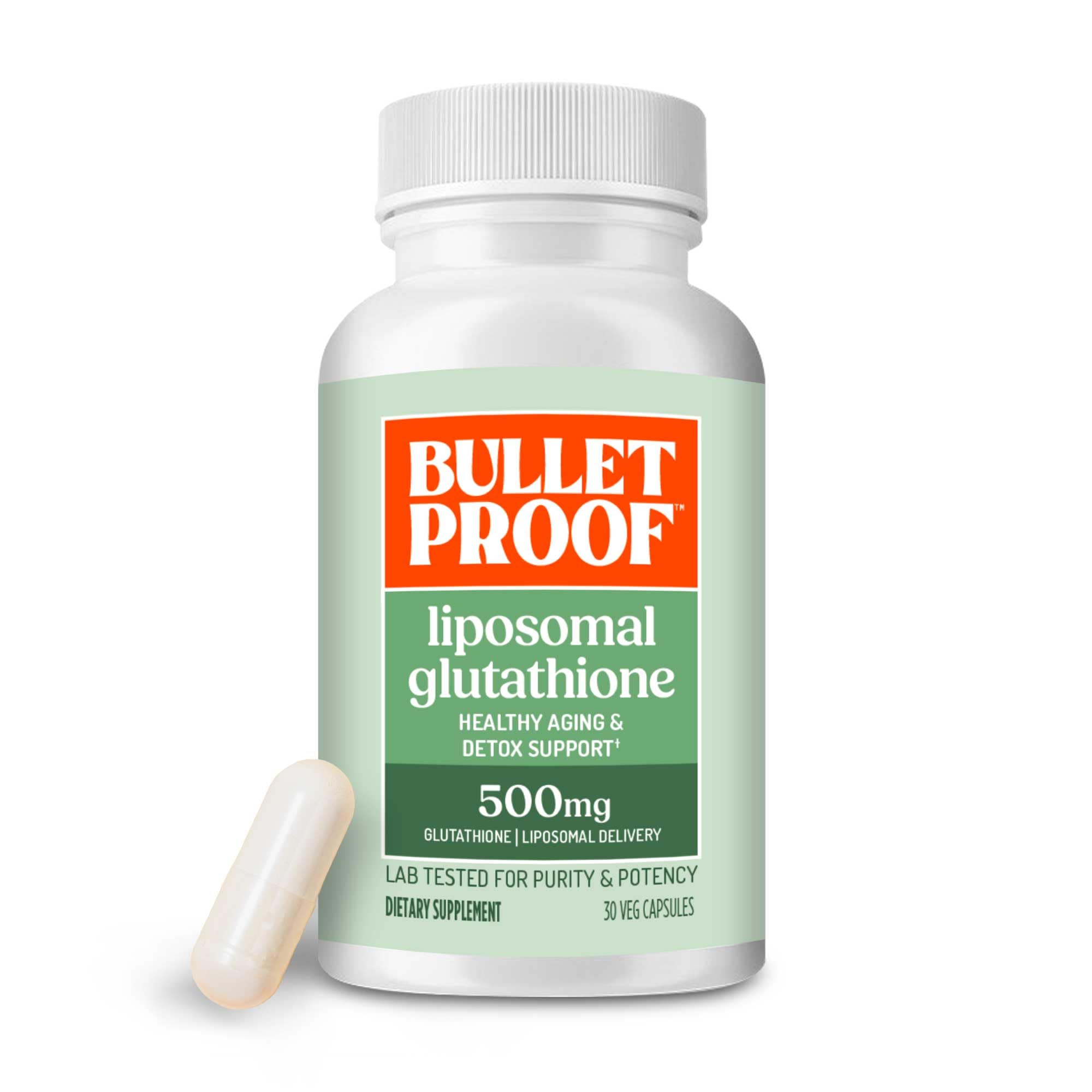

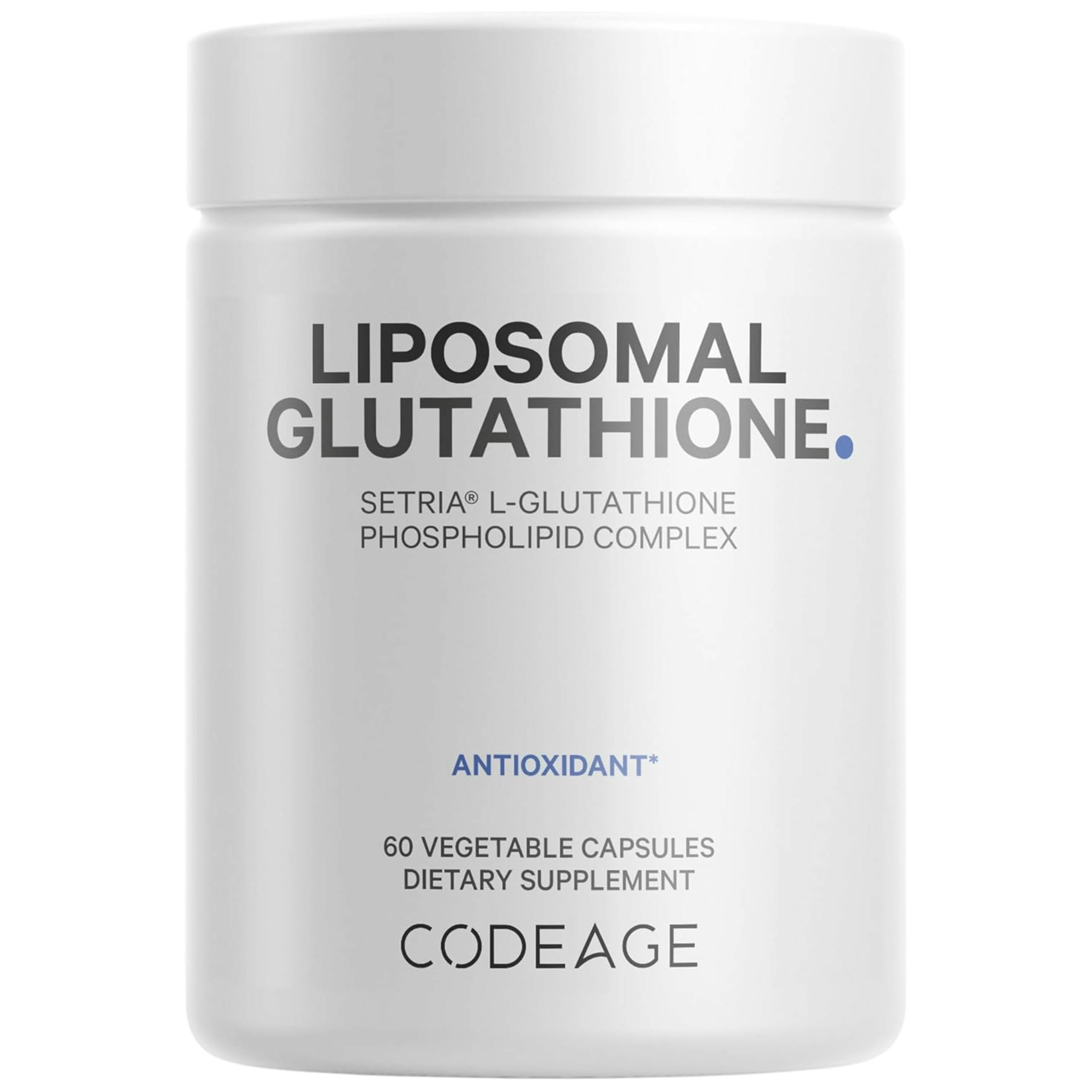

![CanPrev [2 for Deal] Liposomal Glutathione 30 sachets | Unbeatable Prices, Daily Deals](https://vitashop.ca/23952-home_default/-2-for-deal-liposomal-glutathione-30-sachets.jpg)