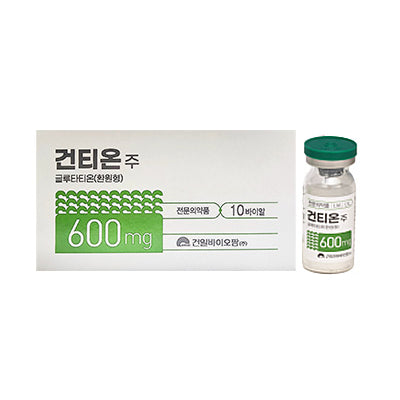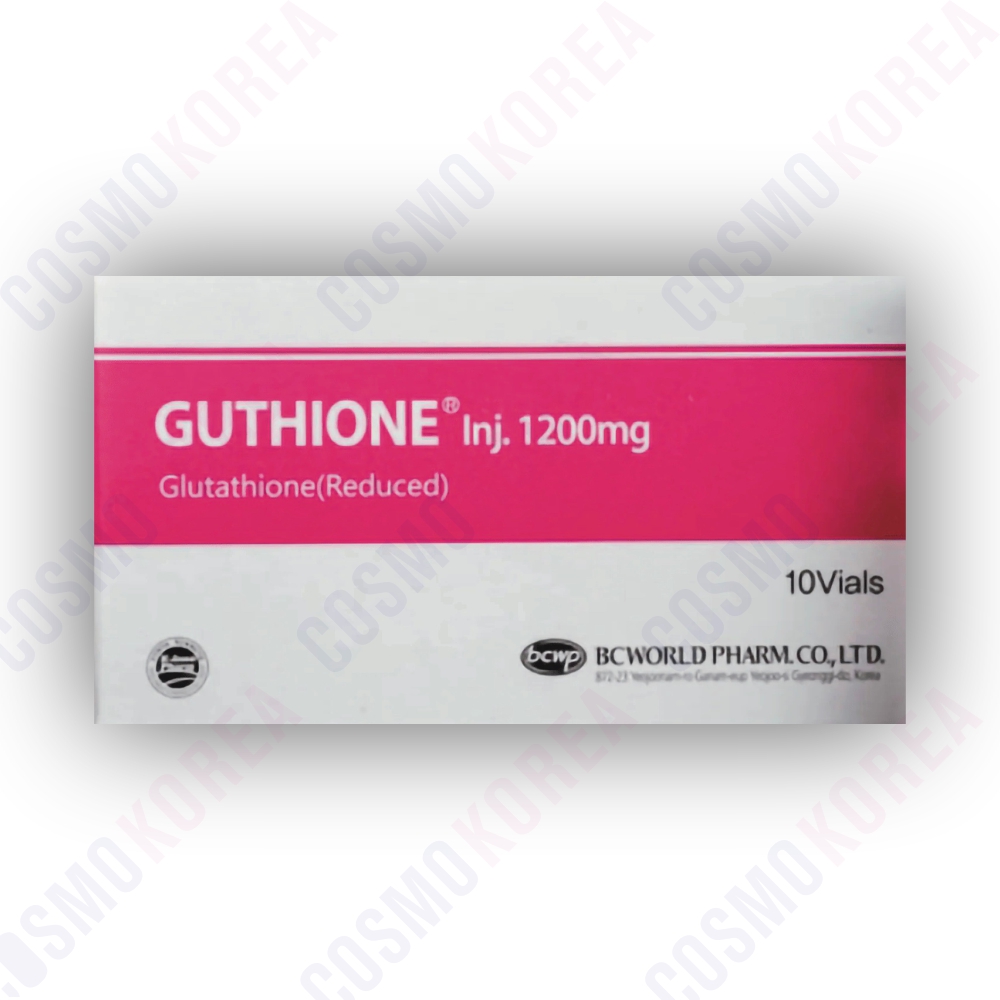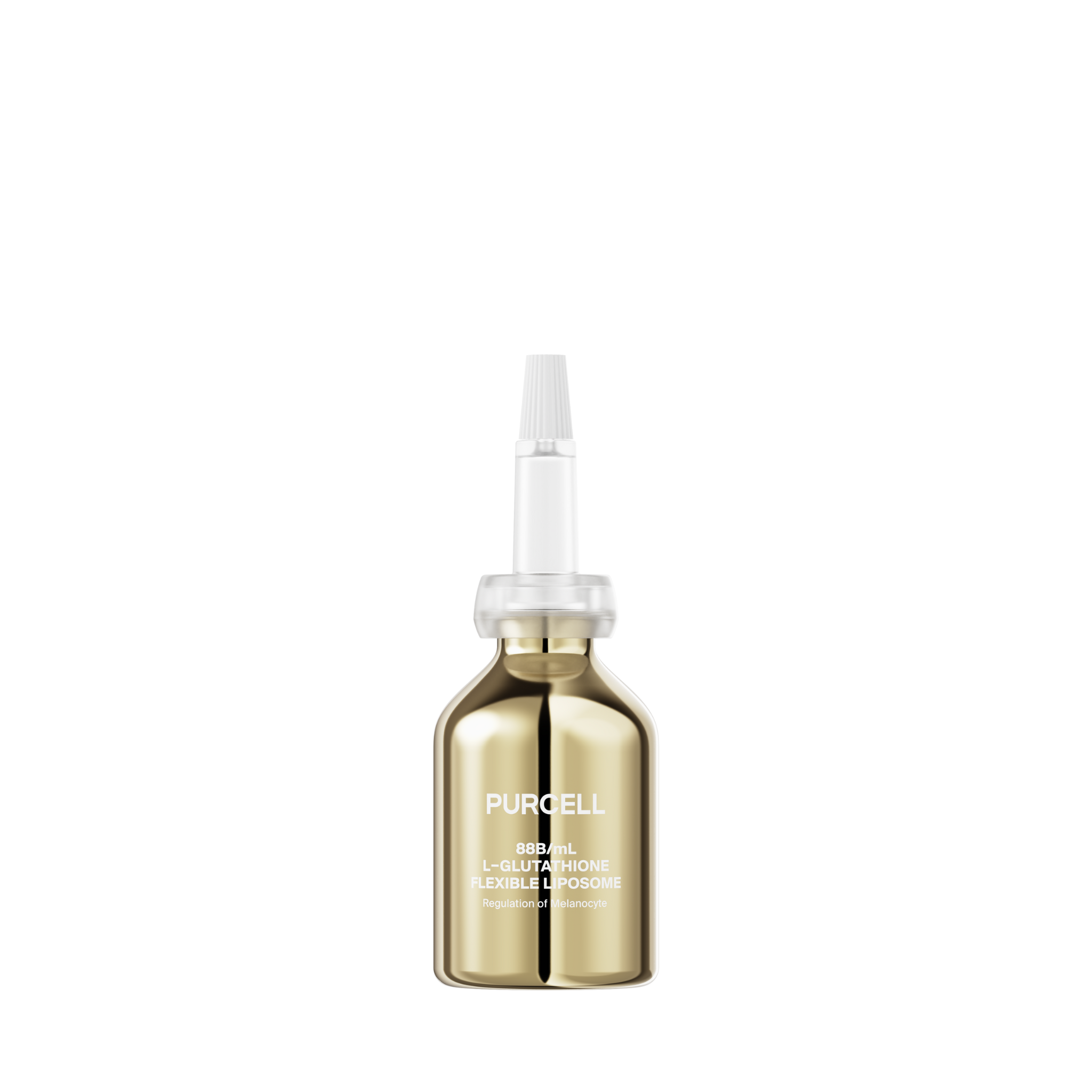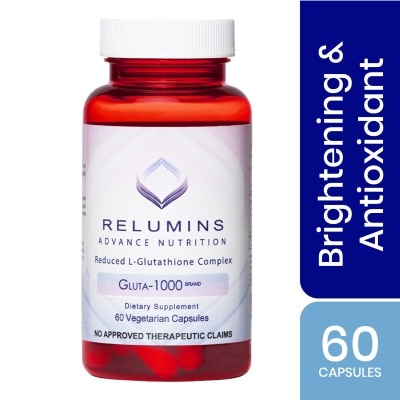

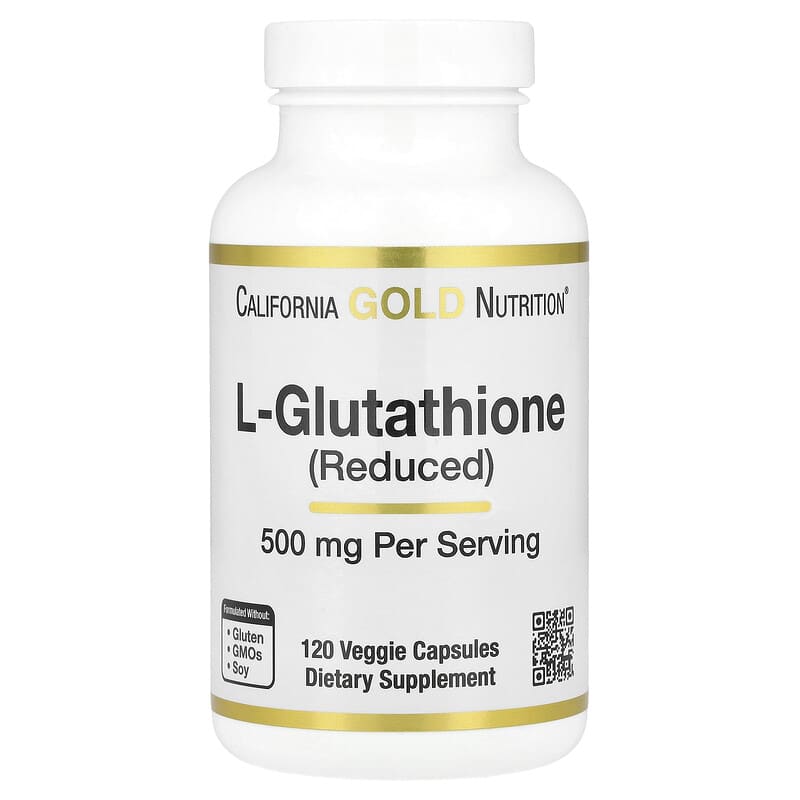
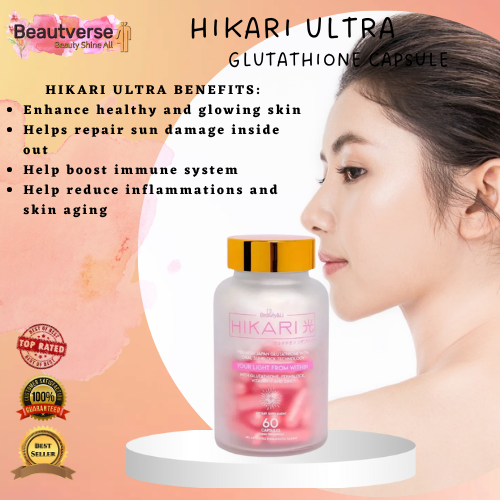
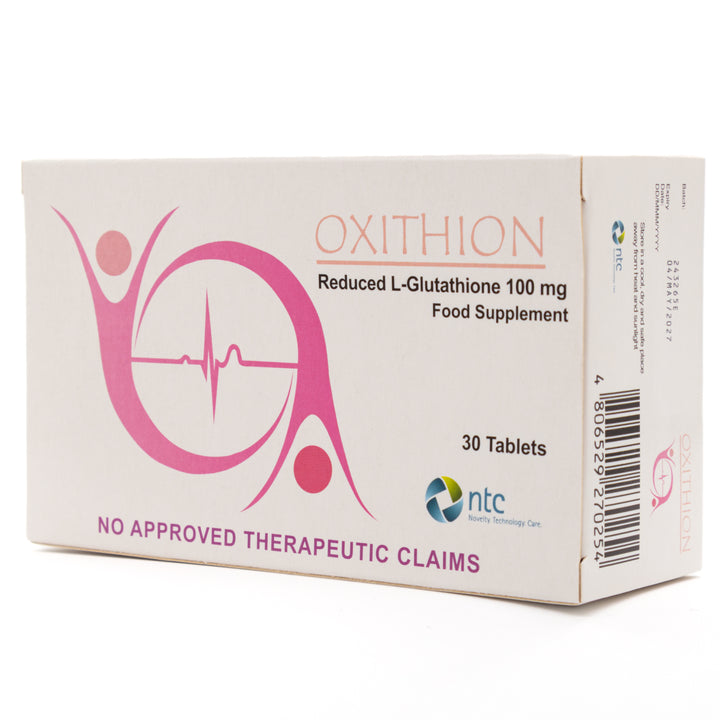
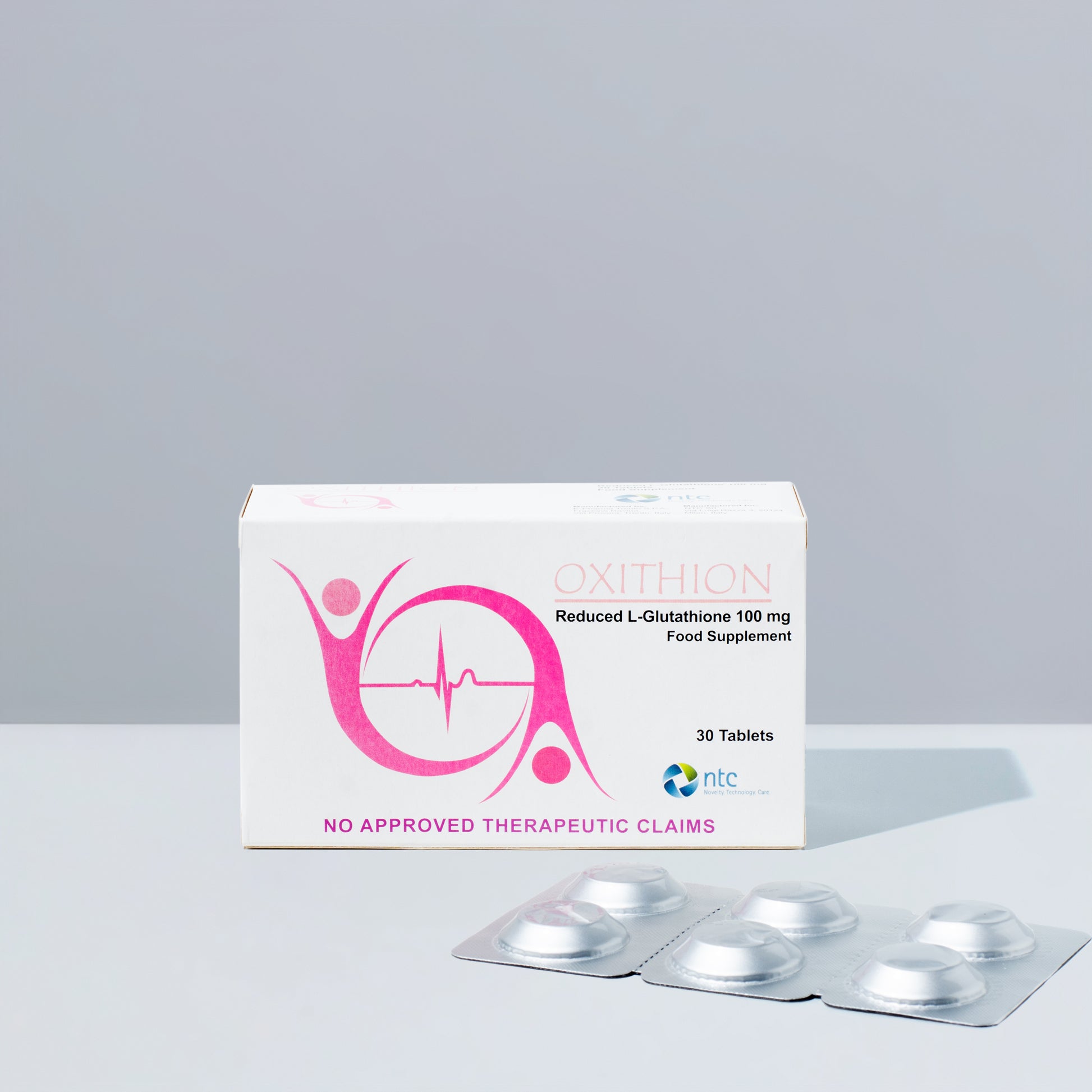
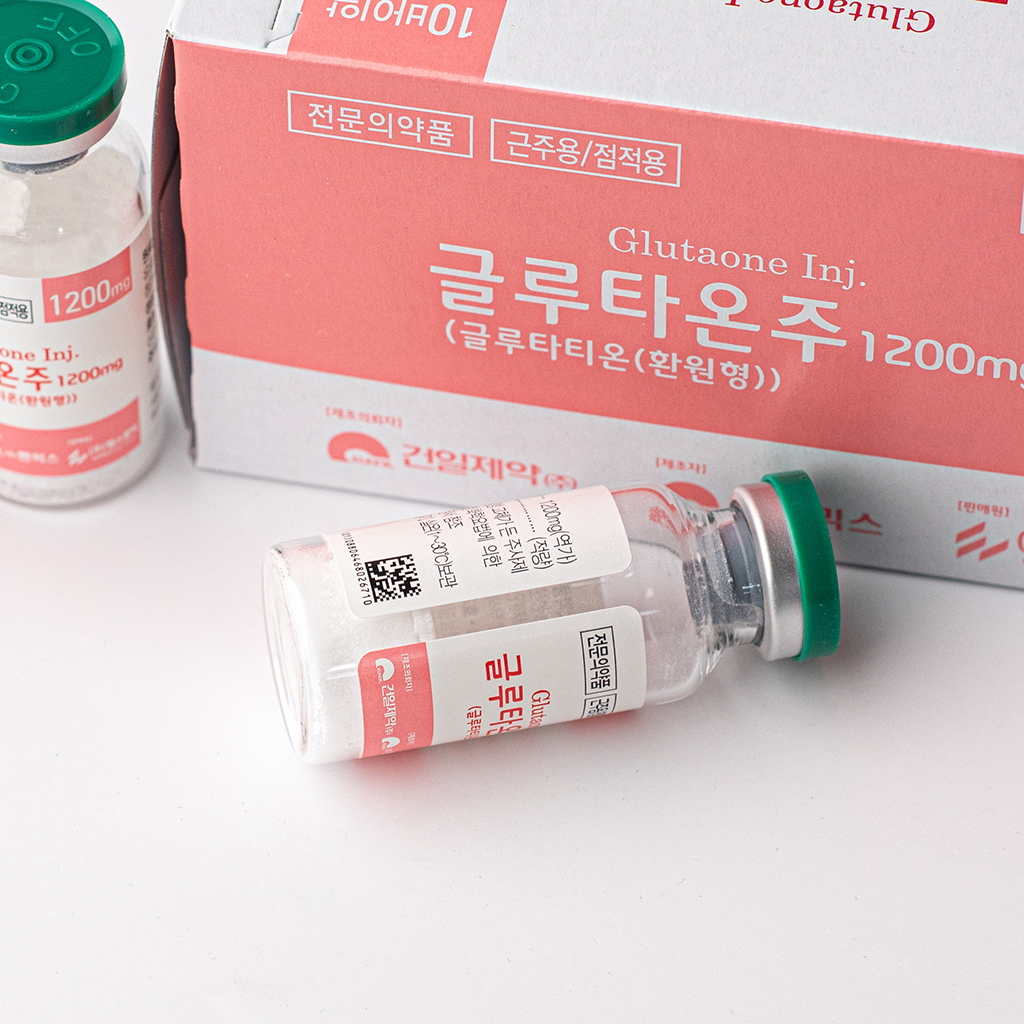
glutathione price in philippines
Shipping Estimate
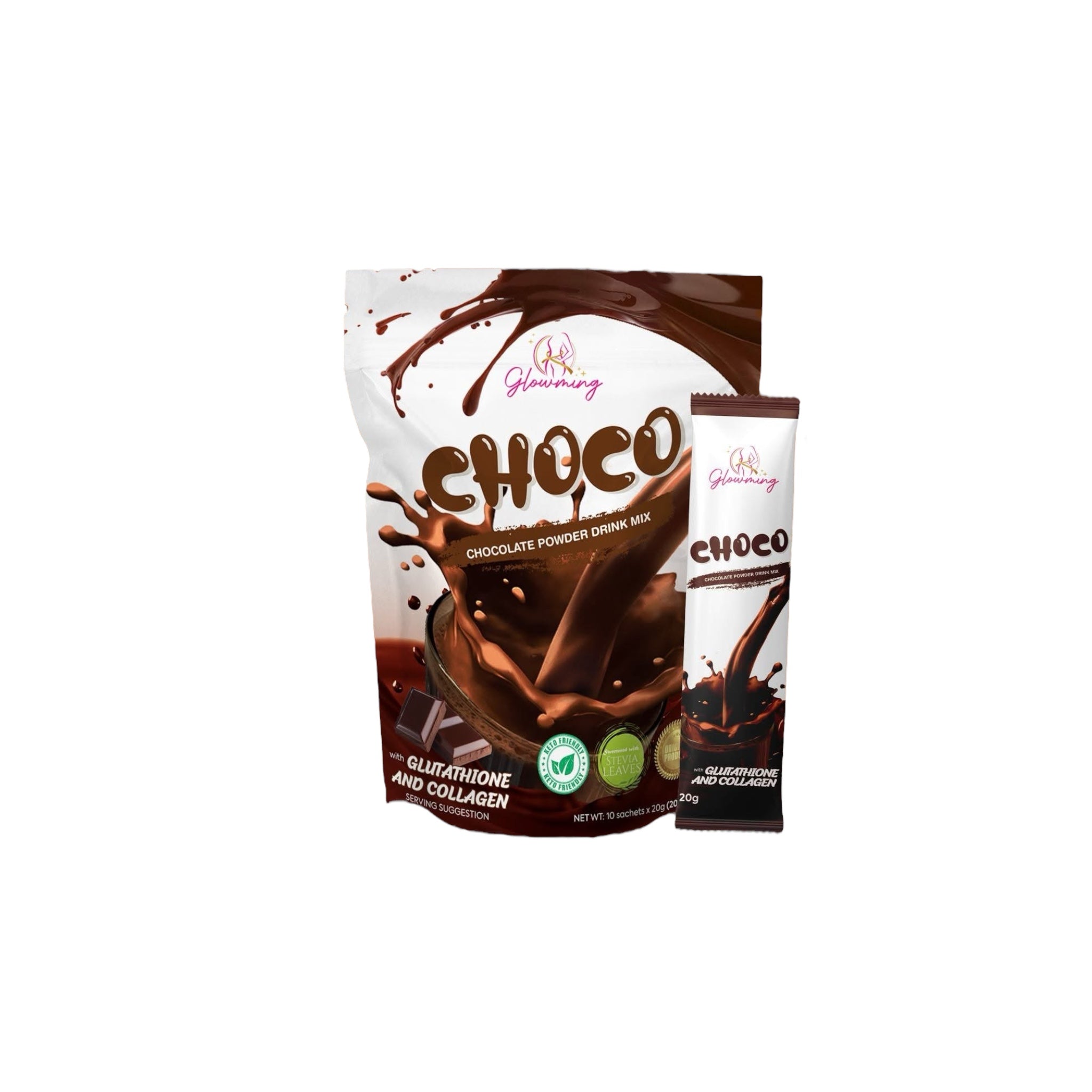
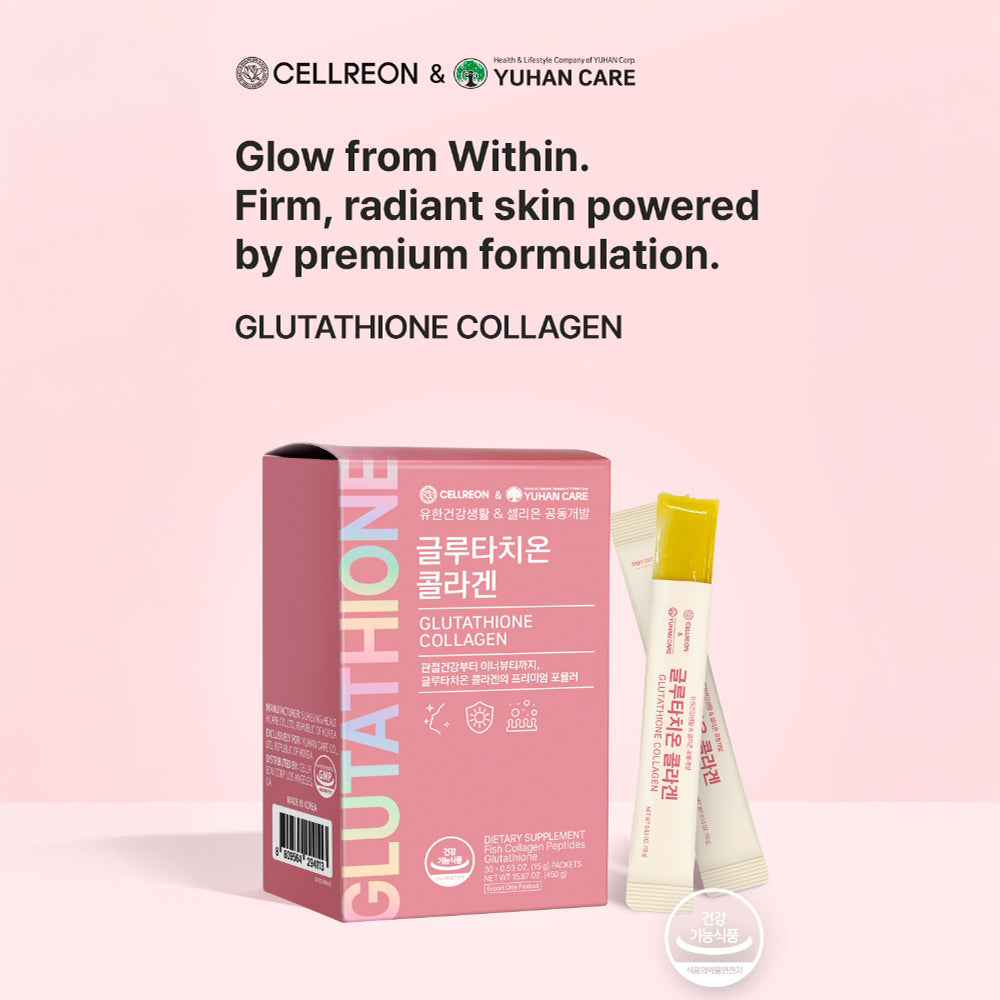
glutathione price in philippines Whitening Beauty Supplements a premium drink mix that combines the power of Glutathione and Marine Collagen in a rich chocolate flavor Glutathione With Oral Sunblock and
USD22.03
USD62.03
Pay in 4 interest-free payments of $5.51 Learn more
Shipping Estimate
USA
- USA
- CAN
- USA
- CAN
Ships within 48 hours · Estimated delivery Aug 3 - Aug 8






![[KOLON Pharmaceuticals] Glutathione 4,800mg Beauty Life 30Sticks-VitaminC Antioxidant Support](https://d3d3ajccnahae5.cloudfront.net/fit-in/1000x1000/image/catalog/Seller_6252/Products/KOLON%20Pharmaceuticals/KOLON%20Pharmaceuticals_31/thumb-20240509015551-1715219753.jpg)