Freezing samples at 20C is adequate to prevent peptide degradation, and proper chain of custody procedures ensure sample integrity throughout the testing process
Pickart stated that GHK-Cu has a favorable safety profile, highlighting that there is no indication that it causes side effects in test subjects [2]: The molecule is very safe and no issues have ever arisen during its use as a skin cosmetic or in human wound healing studies. In a 2018 review based on new genetic data, he reiterated that all biological actions associated with GHK appear to be health positive. He pointed to over four decades of GHK research encompassing cell, tissue, and animal studies, also noting the peptides inclusion in commercial anti-aging and cosmetic products such as creams, liposomes, and dermal patches [1]

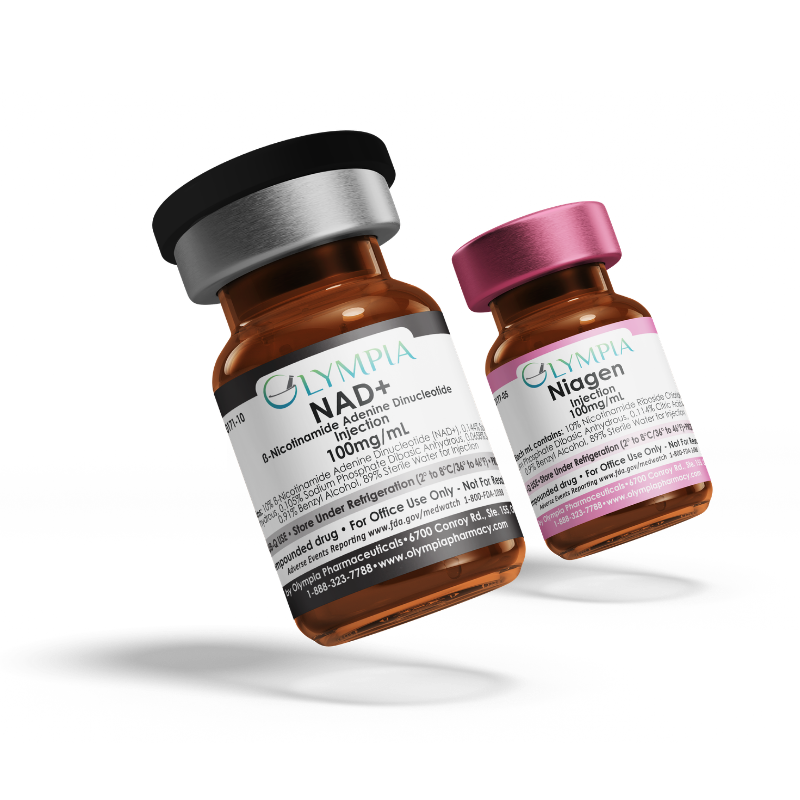
NAD+ levels rise (a key molecule in energy production) Mitochondrial efficiency improves Fatty acid oxidation increases Adipogenesis (fat cell development) decreases In animal studies, 5-Amino-1MQ: Reduced body fat by 3040% Increased lean muscle mass Improved insulin sensitivity and glucose regulation Additionally, it helps preserve metabolic rate during calorie restrictiona major factor in long-term fat loss success
The bilateral subdiaphragmatic trunks of vagal nerves along the esophagus were exposed and cut