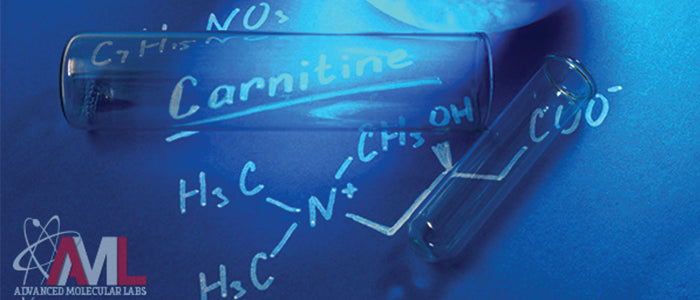
Nitric oxide helps blood vessels relax, which supports vascular tone, blood flow and healthy blood pressure
M., van Gunsteren, W
GLP-1R, a core member of the GPCR family, is widely present on the surfaces of various cells in the human body.1,2 By specifically binding to the key hormone GLP-1, it regulates blood glucose levels and lipid metabolism.3,4 This receptor and its agonists hold significant therapeutic potential, reshaping the treatment approaches for multiple diseases, including diabetes, cardiovascular disorders, and neurodegenerative diseases .5,6,7 GLP-1 is a peptide produced by the cleavage of proglucagon, mainly synthesized in the intestinal mucosal L-cells, pancreatic islet -cells, and neurons in the nucleus of the solitary tract.3,4 GLP-1RAs mimic the action of endogenous GLP-1, activating GLP-1R, thereby enhancing insulin secretion, inhibiting glucagon release, delaying gastric emptying, and reducing food intake through central appetite suppression.8,9,10 These mechanisms make GLP-1RAs powerful tools for controlling blood glucose and improving metabolic syndrome
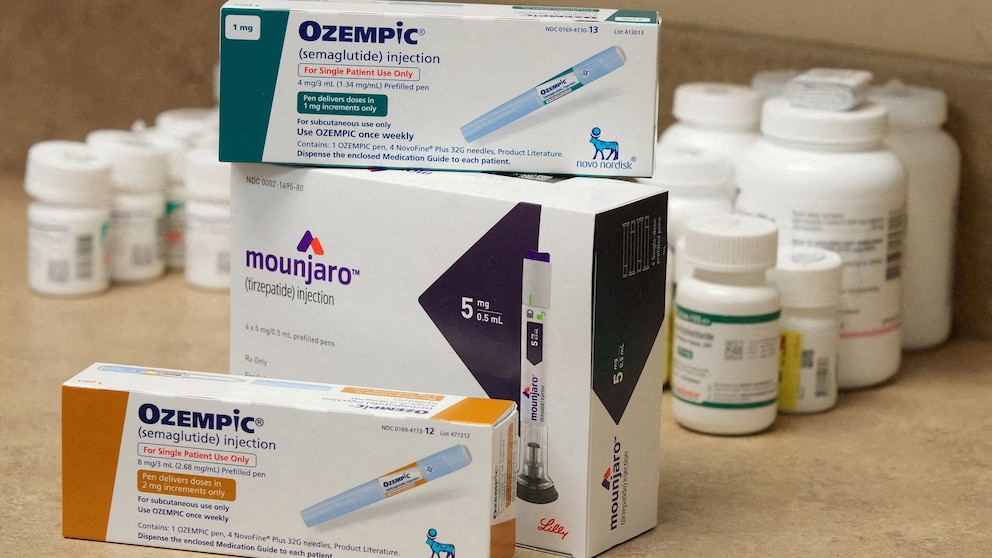
These gains persisted regardless of type 2 diabetes status or the specific drug used